How Documentaries Are Made: From Idea to Screen
How Documentaries Are Made: From Idea to Screen
The creation of a documentary is a meticulous process that transforms raw ideas into compelling visual stories. This journey typically follows several key phases:
1. Concept and Research
Documentary filmmaking begins with an idea—often inspired by a subject, event, or social issue. Filmmakers conduct extensive research to understand the topic’s context and significance. This stage involves gathering background information, interviewing experts, and identifying potential story angles.
2. Proposal and Funding
Once the concept is clear, filmmakers prepare a proposal or treatment outlining the documentary’s purpose, approach, and target audience. Securing funding is crucial, involving pitching to production companies, broadcasters, or grant organizations. Budget planning includes expenses for travel, equipment, crew, and post-production.
3. Pre-Production
In this phase, filmmakers finalize their plans by scouting locations, scheduling interviews, and assembling a crew. They also create a shooting script or outline, which serves as a flexible guide during filming. Legal preparations—such as obtaining releases and permits—are handled here to protect all parties involved.
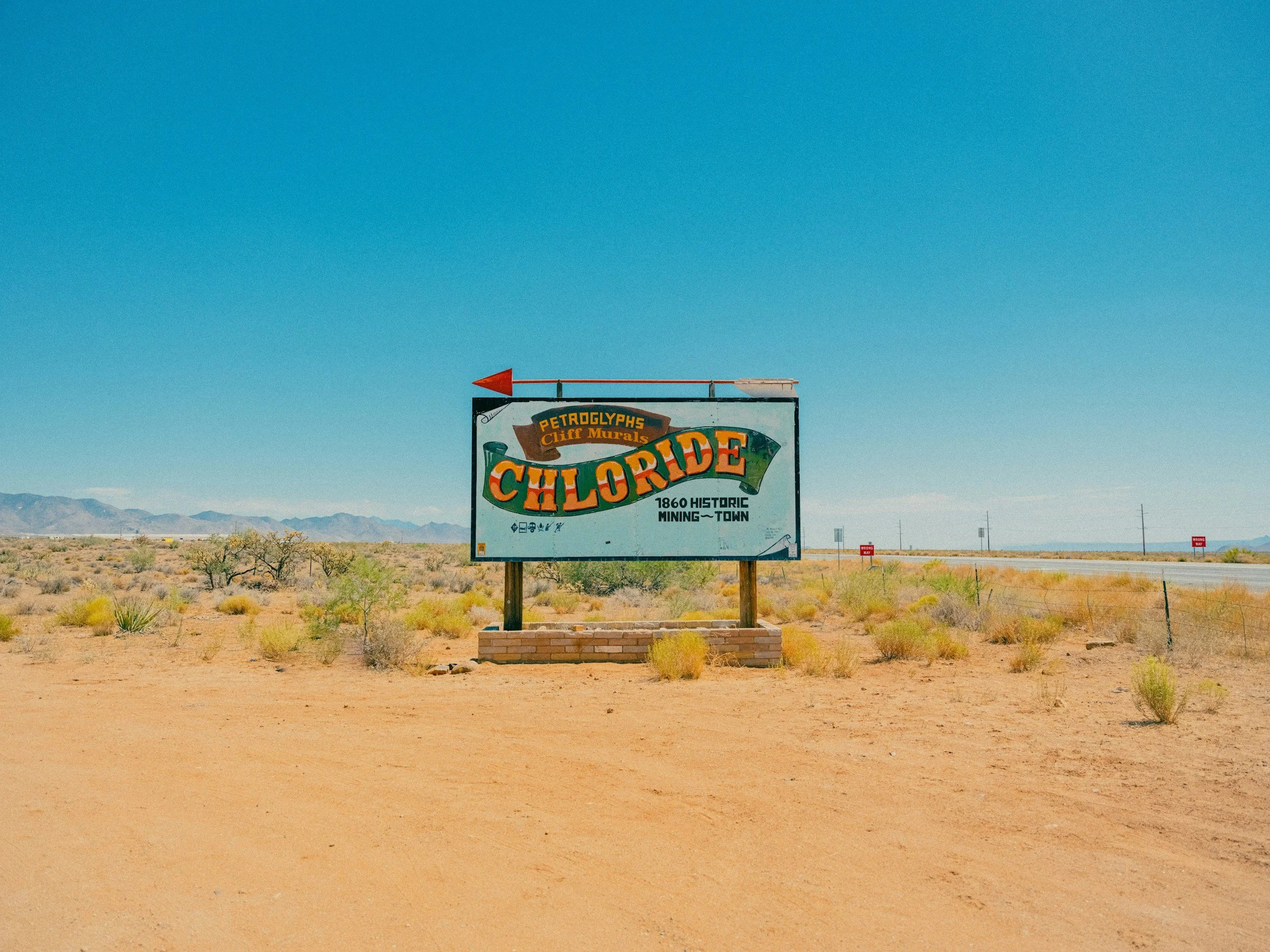
4. Production
The production stage is the actual filming of the documentary. This includes recording interviews, capturing b-roll footage, and documenting relevant events. Flexibility is essential, as real-life situations can change unpredictably. Filmmakers strive to capture authentic moments that convey the narrative’s truth.
5. Post-Production
Editing begins with reviewing hours of footage to shape the story’s structure. Editors work closely with directors to create a coherent and engaging narrative. Sound design, music scoring, color correction, and visual effects enhance the final product. This stage often involves multiple revisions to refine the documentary’s pacing and message.
6. Distribution and Screening
After completion, documentaries are distributed through various channels such as film festivals, television broadcasts, streaming platforms, and educational institutions. Marketing strategies are employed to reach the intended audience and generate interest. Public screenings and Q&A sessions often follow to further engage viewers.

The journey from idea to screen requires dedication, creativity, and attention to detail. By carefully navigating each step, documentary filmmakers illuminate stories that inform, inspire, and provoke thought.
